
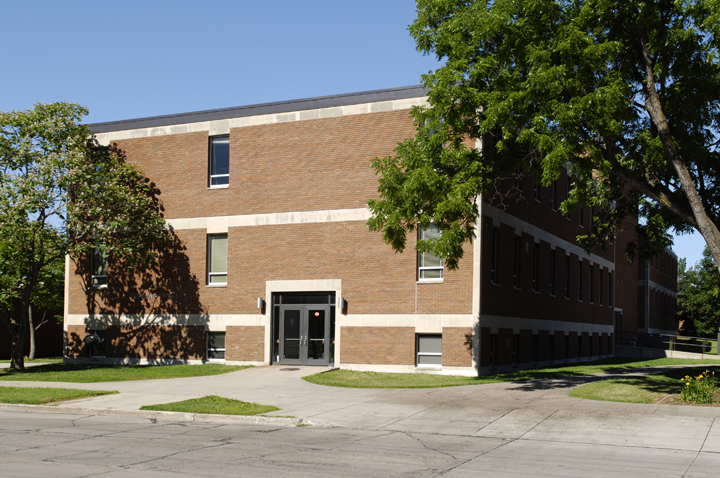
Biological Sciences
A Biological Sciences degree is available in a traditional broad-based sequence or in an Environmental Science option.
Biological Sciences Standard Option
Biological Sciences is a comprehensive field of biology that prepares students for a variety of careers in human health, environmental science, conservation, and plant and animal biology. With its many areas of emphasis, the program integrates studies in zoology, botany, and biological sciences and offers students the flexibility to customize their field of study to align course selection with educational and professional goals. The program integrates broad-based biology foundation classes with specializations such as biomedical science or conservation biology, in later years. With appropriate course selection, the Biological Sciences degree also can provide a broad understanding of the complex relationship between the living and nonliving world. Students will be able to choose a research based course that focuses on plants, wildlife, antibiotics, or learning.
Environmental Science Option
Environmental Science is characterized by an integrative, multidisciplinary approach to environmental issues of concern to humans. This represents an exciting, rewarding area of science, which requires an especially strong academic background and an ability to think both analytically and comprehensibly.
For students interested in careers that address solving environmental problems, there is the Biological Sciences major with an Environmental option. This rigorous option incorporates balanced studies in the natural sciences (biology, chemistry, physics, and earth sciences) with social sciences (economics, political science, and sociology). It also involves technology, business, law, ethics, and human relations and behavior. Students interested in this option should visit with an adviser to obtain the specific requirements. Environmental Science students may not pursue a minor in Biology.
Biological Sciences Education and Comprehensive Science Education Majors
Students interested in Biological Sciences Education or Comprehensive Science Education are encouraged to declare a double major in the discipline and in education (i.e., Biological Sciences Education and Biological Sciences). Such double majors may be earned by successful completion of a few additional credits. Students should contact advisers in Biological Sciences for details.
Students who intend to teach life sciences in the secondary schools should make their intentions known to the School of Education and consult with a biology education adviser in the Department of Biological Sciences early in their programs to make certain that they have a well-designed program and take the professional education courses required for state teacher certification.
The Comprehensive Science Education major is designed to prepare the secondary general science teacher. This major is an especially good preparation for students who may find themselves teaching several different science courses. Information about curriculum and other requirements is available from the School of Education and the education adviser in the Department of Biological Sciences. Biological Sciences Education and Comprehensive Science Education majors cannot pursue a minor in Biology.